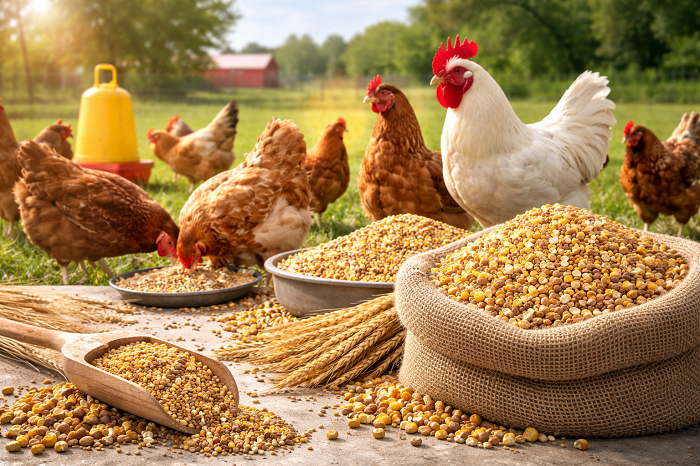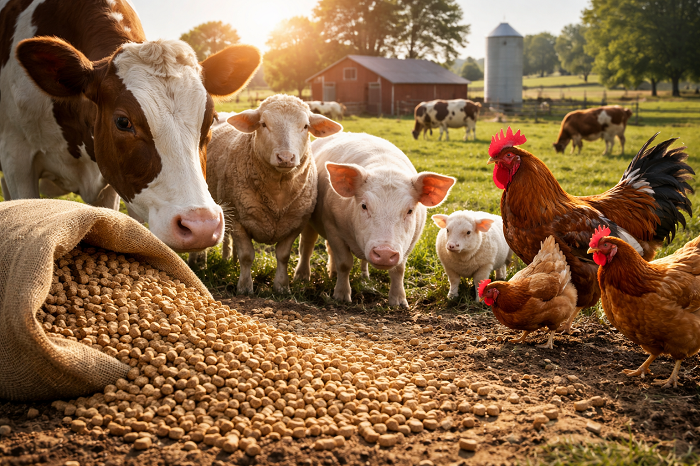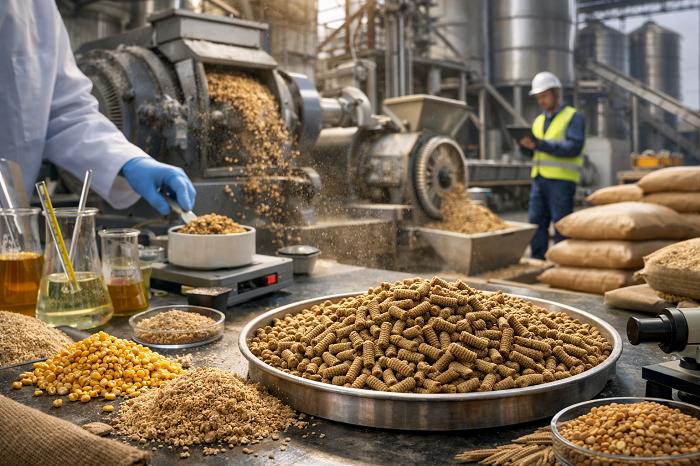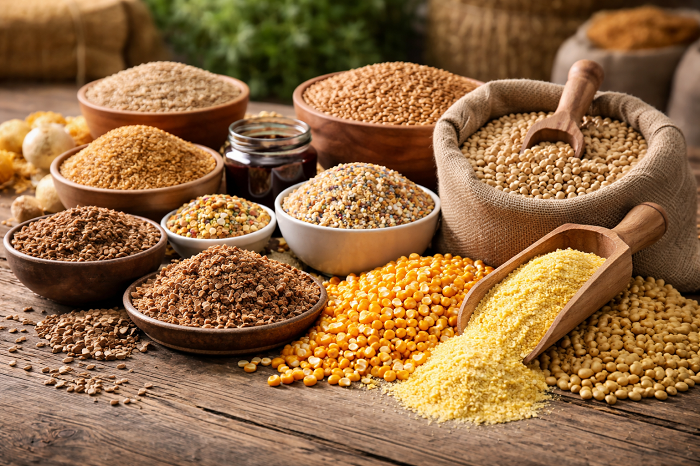
Animal feed production is the backbone of modern livestock farming. Whether you are manufacturing feed for poultry, cattle, swine, or aquaculture, the quality of ingredients directly determines animal health, productivity, and profitability. A balanced feed formula is not just about mixing grains together. It is a carefully calculated combination of energy sources, protein materials, vitamins, minerals, and functional additives that work together to meet the nutritional requirements of different species.
Understanding the top 10 ingredients used in animal feed production is essential for feed mill owners, nutritionists, and livestock farmers who want to optimize performance and reduce feed costs. In this detailed feed manufacturing guide, we will explore each ingredient in depth, explain its nutritional role, and highlight why it remains indispensable in commercial feed formulations.
Understanding the Role of Feed Ingredients
Before diving into the individual ingredients, it is important to understand that every feed formula is designed around three main nutritional pillars, energy, protein, and micronutrients. Energy drives growth and productivity, protein supports muscle and tissue development, and vitamins and minerals regulate metabolic processes. The top ingredients used in feed production are selected because they efficiently deliver these nutrients in a cost effective and digestible form.
1. Corn
Corn is widely considered the primary energy source in animal feed production. It is highly digestible and rich in carbohydrates, making it ideal for poultry, swine, and cattle diets. The starch content in corn provides the metabolic energy animals need for growth, egg production, milk yield, and weight gain.
In feed mills, corn is usually ground into fine particles before being mixed with other ingredients. Its palatability improves feed intake, which directly impacts feed conversion ratios. Because of its consistent quality and global availability, corn remains one of the most reliable raw materials in the feed manufacturing industry.
2. Soybean Meal
Soybean meal is the most commonly used protein source in animal feed. After oil extraction from soybeans, the remaining meal contains a high percentage of crude protein along with essential amino acids such as lysine and methionine.
For poultry and swine production, soybean meal plays a critical role in muscle development and growth performance. In dairy cattle feed, it supports milk protein synthesis. Its amino acid profile closely matches the nutritional requirements of many livestock species, which is why it is often the backbone of commercial feed formulations.
3. Wheat
Wheat serves both as an energy source and a functional ingredient in feed production. It contains carbohydrates and moderate levels of protein. In pelleted feed, wheat improves binding properties, enhancing pellet durability and quality.
Although slightly more expensive than corn in some regions, wheat is frequently used in poultry and pig diets to diversify energy sources and improve feed texture.
4. Barley
Barley is another valuable cereal grain used in animal feed. It contains a good balance of energy and fiber. In ruminant diets, barley is particularly beneficial because it supports rumen fermentation.
For cattle feed production, barley can partially replace corn depending on regional availability. Its fiber content also makes it suitable for improving digestive health in certain livestock categories.
5. Fish Meal
Fish meal is a high quality animal protein source rich in essential amino acids, omega fatty acids, vitamins, and minerals. It is especially important in aquaculture feed production and young animal diets.
Because of its superior digestibility and nutrient density, fish meal is often used in starter feeds for chicks and piglets. However, due to cost considerations, its inclusion level is carefully controlled in commercial formulations.
6. Meat and Bone Meal
Meat and bone meal is derived from processed animal tissues and bones. It provides protein, calcium, and phosphorus, making it a multifunctional ingredient in feed production.
In poultry feed, it supports skeletal development and egg shell quality. In livestock feed, it contributes to balanced mineral nutrition. Strict quality control is essential to ensure safety and compliance with regulatory standards.
7. Rice Bran
Rice bran is a byproduct of rice milling and is commonly used in feed manufacturing, particularly in Asia. It contains energy, fat, fiber, and moderate protein levels.
Rice bran enhances feed energy density and is frequently used in cattle and poultry diets. However, proper storage is important because its fat content can lead to rancidity if not handled correctly.
8. Molasses
Molasses is a byproduct of sugar production and serves as an energy rich liquid ingredient in animal feed. It improves palatability and reduces dust in feed mixtures.
In cattle feed production, molasses enhances rumen fermentation and encourages feed intake. It is also used as a binding agent in pelleted and mash feeds.
9. Vitamins and Mineral Premixes
Vitamins and mineral premixes are critical components of balanced animal nutrition. Even though they are added in small quantities, their impact is significant.
Minerals such as calcium, phosphorus, zinc, and iron support bone development, immune function, and metabolic processes. Vitamins including A, D, and E are essential for growth, reproduction, and disease resistance. A properly formulated premix ensures animals receive precise micronutrient levels according to species and production stage.
10. Amino Acids and Feed Additives
Modern feed production often includes synthetic amino acids such as lysine, methionine, and threonine. These help optimize protein utilization and reduce overall feed costs.
Feed additives like enzymes, probiotics, and toxin binders improve nutrient absorption, gut health, and feed efficiency. Enzymes break down complex nutrients, while probiotics promote beneficial gut bacteria. These functional ingredients play a growing role in advanced feed manufacturing systems.
How to Select the Right Ingredients for Your Feed Mill
Choosing the right ingredients depends on livestock type, production goals, local availability, and budget constraints. A poultry feed plant will prioritize high energy grains and balanced protein sources, while a dairy feed plant may focus more on fiber and rumen friendly ingredients.
Working with an experienced animal nutritionist and investing in quality control systems ensures consistent feed performance. Ingredient testing, moisture control, and proper storage are equally important to maintain nutritional value.
If you are planning to start or upgrade a feed mill, consider exploring our detailed guides on feed mill equipment selection and feed formulation strategies to create a fully optimized production system.
Conclusion
The top 10 ingredients used in animal feed production form the foundation of successful livestock nutrition. From energy rich corn and wheat to protein packed soybean meal and fish meal, each ingredient serves a specific purpose in balanced feed formulation. Vitamins, minerals, and advanced additives further enhance animal health and productivity.
For feed manufacturers, understanding these ingredients is not just about nutrition, it is about profitability, sustainability, and long term success. By selecting high quality raw materials and maintaining strict quality standards, you can produce feed that delivers consistent performance and builds trust with farmers.
Investing in knowledge about feed ingredients is the first step toward building a strong and competitive feed manufacturing business.