Poultry farming success begins with one critical factor — feed quality. Whether you are raising broilers for meat or layers for egg production, the right poultry feed formula directly impacts growth rate, feed conversion ratio, immunity, and overall profitability. Feed accounts for nearly 60 to 70 percent of total production costs, which makes selecting and formulating the correct feed even more important.
In this detailed Feed Manufacturing Guide, we will explore the Top 10 Poultry Feed Formulas for Better Growth, explain how each formula supports specific growth stages, and help you understand how to optimize your feed strategy for maximum performance. This comprehensive resource is designed to serve as your go to reference for poultry feed formulation.
Understanding Poultry Nutritional Requirements
Before diving into specific formulas, it is essential to understand the nutritional needs of poultry. Chickens require a balanced combination of protein, energy, vitamins, minerals, amino acids, and enzymes. The exact composition depends on the bird’s age, breed, and production purpose.
Broilers require high protein and energy for rapid muscle growth. Layers require slightly lower protein but higher calcium for egg production. Starters need highly digestible nutrients, while finishers focus on weight gain efficiency.
Proper feed formulation ensures optimal weight gain, strong immunity, improved feed efficiency, and better meat or egg quality.
Top 10 Poultry Feed Formulas for Better Growth
1. Broiler Starter Feed Formula
The broiler starter formula is designed for chicks from day old to about three weeks of age. This feed typically contains 22 to 23 percent crude protein and high metabolizable energy. Ingredients usually include maize or corn as the primary energy source, soybean meal for protein, fish meal for amino acids, vegetable oil for energy density, and a vitamin mineral premix.
This formula supports rapid early growth, skeletal development, and strong immunity. Since this stage determines future growth potential, feed quality must be exceptional.
2. Broiler Grower Feed Formula
From three to five weeks, broilers transition to a grower feed with slightly reduced protein levels around 20 to 21 percent. Energy remains high to support muscle formation. Corn, soybean meal, and animal protein sources remain core ingredients, while enzymes are often added to improve digestibility.
This formula maximizes feed conversion efficiency and ensures steady weight gain without unnecessary fat deposition.
3. Broiler Finisher Feed Formula
The finisher feed is used from five weeks until market age. Protein levels drop to around 18 to 19 percent, while energy remains high. This balance promotes final body weight gain and optimal carcass quality.
Incorporating fats and oils increases calorie density, while maintaining amino acid balance prevents muscle loss.
4. Layer Starter Feed Formula
Layer chicks require a starter feed with about 20 percent protein. This formula supports organ development and prepares pullets for future egg production. Ingredients include maize, soybean meal, limestone in small quantities, and vitamin premixes.
Good nutrition at this stage ensures strong bone formation and early maturity.
5. Layer Grower Feed Formula
From eight to eighteen weeks, pullets receive grower feed containing 16 to 17 percent protein. Energy levels are balanced to prevent obesity, which can reduce egg production later.
Mineral supplementation, especially phosphorus and trace minerals, plays a key role in skeletal strength.
6. Layer Pre Lay Feed Formula
Two to three weeks before egg production begins, birds transition to a pre lay formula. Protein levels remain moderate, but calcium content increases gradually.
This transition feed prepares the reproductive system and prevents shell quality issues once laying begins.
7. Layer Production Feed Formula
Once birds start laying, calcium content rises significantly to about 3.5 to 4 percent. Protein levels remain around 16 to 18 percent.
Limestone and oyster shell provide calcium, while amino acids like methionine enhance egg size and production rate. This formula directly influences egg yield and shell strength.
8. Organic Poultry Feed Formula
For farmers targeting organic markets, this formula excludes synthetic additives and genetically modified ingredients. Organic maize, organic soybean meal, natural mineral sources, and herbal supplements are used.
Though slightly more expensive, organic feed supports premium product positioning and growing consumer demand.
9. High Protein Growth Booster Formula
This specialized formula is often used for weak or slow growing flocks. Protein levels may reach 24 percent temporarily, along with additional lysine and methionine.
It is typically administered for a short duration to stimulate rapid catch up growth.
10. Medicated Starter Feed Formula
In areas prone to disease outbreaks, medicated feed formulas include approved coccidiostats and growth promoters.
This formula protects young chicks from common infections, improves survival rates, and supports uniform growth.
Key Ingredients in Poultry Feed Formulation
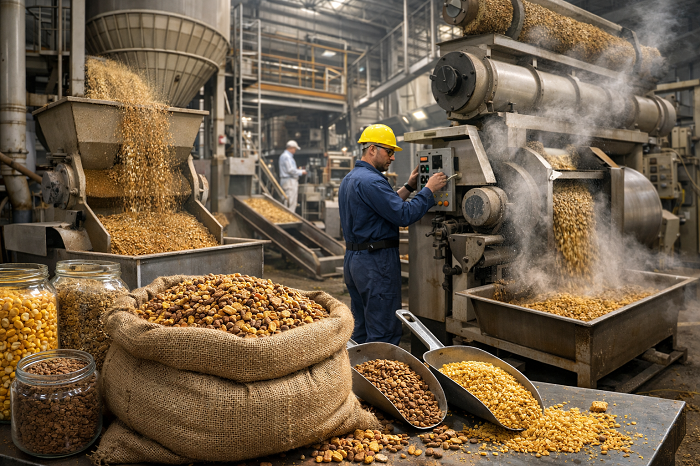
Understanding the ingredients behind these formulas is essential for any feed manufacturer. Corn provides energy, soybean meal supplies protein, fish meal adds essential amino acids, limestone ensures calcium balance, and premixes deliver vitamins and trace minerals.
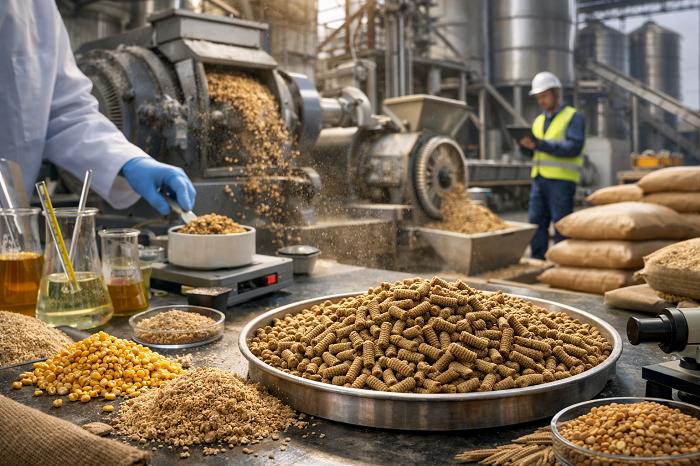
Additives such as probiotics, enzymes, and toxin binders further enhance gut health and nutrient absorption. Modern feed manufacturing increasingly integrates precision mixing and pelletizing technology to ensure uniform nutrient distribution.
If you are building a feed mill, consider reviewing our detailed guide on feed mill equipment and pelletizing systems to improve production efficiency and feed consistency.
How to Optimize Poultry Feed for Maximum Growth
Improving poultry growth is not just about adding more protein. It requires proper nutrient balance, ingredient quality control, and strict manufacturing standards.
Regular laboratory testing ensures feed meets nutritional specifications. Pellet quality also affects feed intake. Birds prefer well formed pellets over mash, which reduces wastage and improves feed conversion.
Water quality, farm management practices, and biosecurity measures also work together with feed quality to influence overall growth performance.
Conclusion
Selecting the right poultry feed formula is one of the most powerful decisions a poultry farmer or feed manufacturer can make. From broiler starter diets to specialized layer production feeds, each formula serves a specific purpose in achieving better growth, stronger immunity, and higher profitability.
By understanding nutrient requirements, maintaining ingredient quality, and adopting advanced feed manufacturing practices, you can significantly improve flock performance. Whether you are starting a new feed plant or optimizing an existing poultry operation, investing in scientifically balanced feed formulas will always deliver long term results.