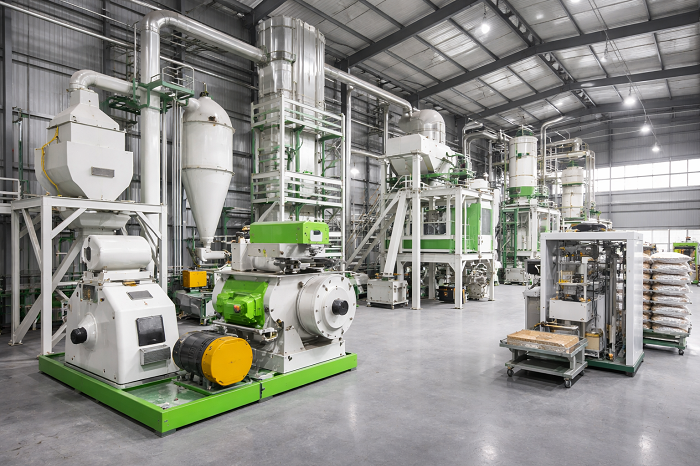
Starting a feed plant is a smart business move in today’s agriculture and livestock market. As demand for high quality animal feed continues to rise, investors and feed entrepreneurs are looking for practical ways to build efficient, profitable, and scalable operations. One of the most important steps in setting up a successful unit is choosing the right equipment. The strength of any feed production business depends not only on raw materials and formulation, but also on the machines that handle grinding, mixing, pelleting, cooling, and packing.
If you are planning to enter the feed manufacturing industry, understanding the top 10 feed mill machines needed to start a feed plant will help you avoid costly mistakes and build a plant that runs smoothly from day one. Whether you want to produce poultry feed, cattle feed, fish feed, or livestock feed, the right machine lineup ensures consistent quality, better output, and lower production losses.
Why Choosing the Right Feed Mill Machines Matters
A feed plant is not just a place where ingredients are combined. It is a system where each machine performs a specific role in turning raw grains, protein meals, vitamins, minerals, and additives into finished feed. When the machinery is selected carefully, production becomes faster, feed quality improves, energy use stays under control, and maintenance problems are reduced.
For new businesses, this matters even more. A poorly planned feed plant may struggle with uneven particle size, inaccurate batching, poor mixing, low pellet durability, and product wastage. On the other hand, a properly equipped facility can create a strong reputation in the market and support long term growth.
1. Raw Material Intake and Cleaning Machine
The first essential machine in a feed plant is the raw material intake and cleaning system. Before grains and other ingredients enter production, they must be cleaned to remove dust, stones, metal pieces, and unwanted particles. This step protects downstream equipment and ensures the feed remains safe and pure.
A cleaning machine improves product quality and prevents damage to grinders and mixers. For a new plant, this is not an optional investment. It creates the foundation for efficient and hygienic feed production and helps maintain consistent standards from the very beginning.
2. Hammer Mill or Grinder
The hammer mill is one of the most important machines in any feed plant. It reduces raw materials such as corn, wheat, soybean meal, and other ingredients into smaller particles suitable for mixing and pelleting. Particle size plays a major role in feed digestibility, pellet quality, and animal performance.
A good grinder allows operators to control fineness according to the type of feed being produced. Poultry feed, cattle feed, and fish feed often require different grinding levels. Investing in a reliable hammer mill ensures smooth processing and contributes directly to the nutritional effectiveness of the final feed.
3. Batching Machine
Accuracy is everything in feed manufacturing, and that is where the batching machine becomes essential. This machine measures each ingredient according to the feed formula, ensuring that the right quantity of grains, proteins, additives, and supplements enters the mix.
In commercial feed plants, even small weighing errors can affect feed quality and profitability. A batching system improves formulation accuracy, reduces waste, and helps maintain uniformity across every batch. For businesses aiming to build trust with farmers and distributors, precise batching is a critical requirement.
4. Feed Mixer
After grinding and batching, the next step is thorough blending. The feed mixer combines all ingredients into a uniform mixture so that each pellet or mash portion contains the same nutrients. Without proper mixing, some animals may receive too much of one nutrient while others receive too little.
A high performance mixer increases feed consistency and supports better animal growth. It is especially valuable when micro ingredients such as vitamins, minerals, enzymes, and medications are part of the formula. In a modern feed plant, the mixer is one of the machines that has the greatest impact on product reliability.
5. Pellet Mill Machine
The pellet mill is often considered the heart of the plant. It compresses the mixed feed into dense, uniform pellets that are easier to store, transport, and feed to animals. Pellets also improve feed intake, reduce wastage, and often enhance digestibility.
For businesses entering the feed industry, a pellet mill adds strong commercial value. Pellet feed is highly preferred in many livestock sectors because it offers convenience and consistency. A robust pellet mill allows the plant to produce high quality feed at scale and compete more effectively in the market.
6. Conditioner
A conditioner works closely with the pellet mill and is an essential machine in pellet production. It adds steam and moisture to the mixed feed before pelleting, which improves binding, increases pellet durability, and can enhance hygiene by reducing microbial load.
Conditioning also helps improve starch gelatinization, making feed easier for animals to digest. In practical terms, this means stronger pellets, better nutritional value, and improved machine performance. For any entrepreneur serious about manufacturing premium pellet feed, a conditioner is a wise investment.
7. Pellet Cooler
Fresh pellets come out of the pellet mill hot and soft. A pellet cooler reduces their temperature and moisture content so they become hard, stable, and ready for storage or packing. Without cooling, pellets may break, spoil, or lose quality during handling.
This machine protects the value of your finished product. It helps maintain pellet shape, prevents mold risk, and ensures feed can be transported safely to customers. In a professional feed plant, the cooler is just as important as the pelleting process itself.
8. Crumbler
For feed plants that produce feed for chicks or young animals, a crumbler is a valuable addition. This machine breaks pellets into smaller, evenly sized crumbs that are easier for young animals to consume. It is especially common in poultry feed production.
By using a crumbler, feed manufacturers can serve a wider market and create specialized products for different growth stages. That flexibility can improve sales opportunities and make the plant more competitive in the feed industry.
9. Screening Machine
A screening machine separates fine particles, oversized pieces, and broken pellets from the finished product. This helps maintain a clean and uniform final feed. Customers prefer feed that looks professional and performs consistently, and screening plays a key role in achieving that standard.
It also reduces dust in packaging and helps recycle usable material back into the process. For a feed business focused on quality control, screening is an important final checkpoint before dispatch.
10. Packing Machine
The last major machine needed to start a feed plant is the packing machine. Once feed is produced and screened, it must be weighed, filled, and sealed into bags for sale or distribution. A good packing system improves speed, reduces manual labor, and ensures accurate bag weight.
Packaging also affects brand presentation. Well packed feed builds customer confidence and simplifies logistics. For a growing business, investing in efficient packing machinery helps create a professional image and supports smoother delivery operations.
How to Select the Right Machines for Your Feed Plant
Choosing the right equipment depends on your production capacity, target market, feed type, and budget. A small plant may begin with basic machinery and expand later, while a large commercial setup may require automated systems from the start. It is also important to consider power consumption, maintenance support, spare parts availability, and machine durability before making a purchase.
Business owners should think beyond current needs and plan for future scaling. Buying machinery that can grow with your business is often more cost effective than replacing undersized equipment later. Working with a trusted manufacturer or supplier can also make the installation and training process easier.
Conclusion
Understanding the top 10 feed mill machines needed to start a feed plant is the first step toward building a successful feed manufacturing business. Each machine plays a distinct role in ensuring quality, efficiency, and profitability, from raw material cleaning to final packing. A well planned equipment lineup helps reduce waste, improve feed consistency, and create a strong market reputation.
If you are serious about entering the feed industry, focus on machinery that supports reliable production and long term growth. The right investment today can shape the future of your feed plant and position your business for lasting success in a competitive market.