Animal feed manufacturing is a highly competitive and technically demanding industry. Whether you operate a small feed mill or manage a large scale production plant, the margin for error is small. Poor formulation, weak quality control, and inefficient processes can result in financial losses, poor animal performance, and damaged reputation.
Understanding the Top 10 Mistakes to Avoid in Animal Feed Manufacturing is essential for building a profitable and sustainable business. This comprehensive guide explains each mistake in detail and provides practical insights to help you improve feed quality, operational efficiency, and long term profitability.
Why Avoiding Mistakes in Feed Manufacturing Matters
Feed represents up to 70 percent of total livestock production costs. Even minor formulation or processing errors can reduce growth rates, affect feed conversion ratios, and compromise animal health. For manufacturers, this means dissatisfied customers and potential regulatory issues.
By identifying common pitfalls and implementing corrective strategies, feed mill operators can improve product consistency, reduce waste, and enhance brand trust in the marketplace.
1. Ignoring Proper Feed Formulation
One of the most critical mistakes in animal feed manufacturing is improper feed formulation. Many manufacturers rely on outdated nutrient tables or make cost driven substitutions without fully evaluating nutritional balance.
Accurate formulation must consider species, age, production stage, and environmental conditions. Overlooking amino acid balance, energy levels, or mineral ratios can severely impact animal growth and productivity.
Investing in professional formulation software and consulting animal nutrition experts ensures your feed meets precise nutritional standards while remaining cost effective.
2. Using Low Quality Raw Materials
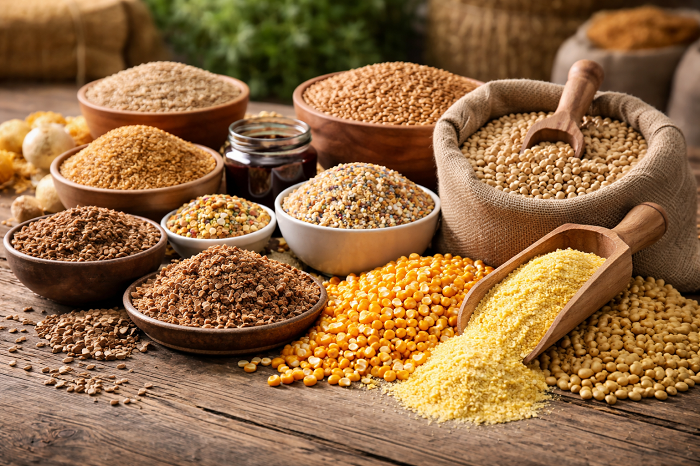
The quality of feed begins with the quality of ingredients. Some manufacturers choose cheaper raw materials to reduce costs, but this often leads to contamination, lower nutrient density, and inconsistent performance.
Spoiled grains, mold contaminated corn, or adulterated protein sources can introduce mycotoxins and pathogens into the feed supply chain. Strict supplier evaluation, laboratory testing, and raw material inspection protocols are essential to maintain high feed standards.
3. Poor Quality Control Systems
Quality control is not optional in modern feed manufacturing. Failing to implement systematic testing and documentation procedures can result in inconsistent batches and regulatory violations.
Effective quality control involves sampling at multiple stages, monitoring moisture levels, testing nutrient composition, and ensuring compliance with local feed safety regulations. Developing a comprehensive quality assurance plan strengthens both product reliability and customer confidence.
4. Inadequate Grinding and Particle Size Management
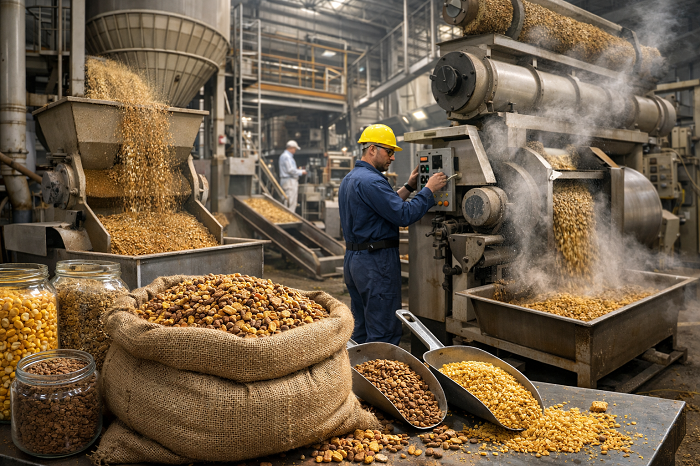
Grinding plays a crucial role in feed digestibility and pellet quality. If particle size is too coarse, animals may not digest nutrients efficiently. If too fine, it can lead to dust problems and poor pellet durability.
Proper hammer mill settings and routine equipment maintenance help maintain optimal particle size. Consistent grinding improves feed conversion ratio and enhances pellet strength during processing.
5. Overlooking Mixing Uniformity
Uniform mixing ensures that every portion of feed contains the correct nutrient levels. Inadequate mixing time or overloaded mixers can create nutrient imbalances within the same batch.
This mistake is especially harmful when adding micro ingredients such as vitamins, minerals, or medications. Even slight inconsistencies can impact animal health. Conducting mixer efficiency tests and calibrating equipment regularly prevents uneven distribution of ingredients.
6. Neglecting Moisture Control
Moisture management is often underestimated in feed mills. Excess moisture encourages mold growth and reduces shelf life, while insufficient moisture can affect pellet formation during conditioning.
Maintaining proper moisture levels during grinding, mixing, and pelleting ensures better feed stability and durability. Installing moisture sensors and implementing proper storage conditions significantly reduces spoilage risks.
7. Poor Pellet Quality and Conditioning
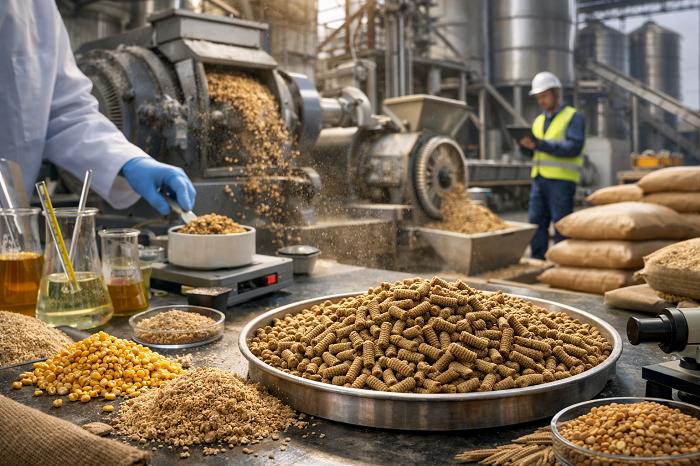
Pellet quality directly influences feed intake and animal performance. Inadequate steam conditioning, improper temperature control, or worn pellet dies can produce fragile pellets with high fines.
Proper conditioning improves starch gelatinization, enhances digestibility, and increases pellet durability. Regular inspection of pellet mills, dies, and rollers ensures consistent production standards.
If you are exploring ways to improve pellet quality, consider reviewing our guide on pellet feed production techniques for deeper insights into optimizing your feed processing line.
8. Lack of Equipment Maintenance
Feed manufacturing equipment operates under heavy mechanical stress. Ignoring routine maintenance can lead to unexpected breakdowns, production delays, and higher repair costs.
Preventive maintenance schedules should include inspection of grinders, mixers, conveyors, pellet mills, and coolers. Replacing worn parts before failure reduces downtime and protects production efficiency.
Well maintained machinery also ensures accurate processing, leading to consistent feed quality across batches.
9. Non Compliance with Feed Safety Regulations
Regulatory compliance is critical in the animal feed industry. Failing to follow feed safety standards can result in penalties, product recalls, and legal issues.
Manufacturers must comply with national and international regulations regarding labeling, ingredient traceability, contamination limits, and hygiene standards. Implementing Hazard Analysis and Critical Control Points systems strengthens food safety management and protects both livestock and end consumers.
Staying informed about regulatory updates ensures your feed mill remains compliant and competitive.
10. Ignoring Customer Feedback and Market Trends
The final mistake many feed manufacturers make is neglecting customer feedback and evolving market demands. Livestock producers continuously seek feeds that improve growth rate, immunity, and feed efficiency.
Ignoring performance data, failing to adapt to new nutritional research, or resisting innovation can leave your business behind competitors. Engaging with customers, conducting field trials, and staying updated with industry developments helps refine your feed formulas and maintain relevance in the market.
For long term success, manufacturers should view feedback as an opportunity to improve product performance and build stronger client relationships.
How to Build a Stronger Feed Manufacturing Operation
Avoiding these common mistakes requires a combination of technical expertise, modern equipment, and disciplined management practices. Focus on proper formulation, raw material quality, equipment efficiency, and regulatory compliance to create a reliable production system.
If you are planning to upgrade your feed plant or optimize your existing production line, explore our in depth resources on feed mill machines and feed quality improvement strategies within the Feed Manufacturing Guide category. Continuous learning and process refinement are key to sustainable growth in this industry.
Conclusion
Understanding the Top 10 Mistakes to Avoid in Animal Feed Manufacturing can transform your feed mill from average to exceptional. From formulation errors and poor quality control to equipment neglect and regulatory non compliance, each mistake carries significant financial and operational risks.
By implementing structured quality systems, investing in modern technology, and maintaining a customer focused approach, you can enhance feed performance, improve profitability, and strengthen your brand reputation.
The animal feed industry continues to evolve with new research and technological advancements. Staying proactive and avoiding these common mistakes ensures long term success and sustainable growth in a competitive marketplace.