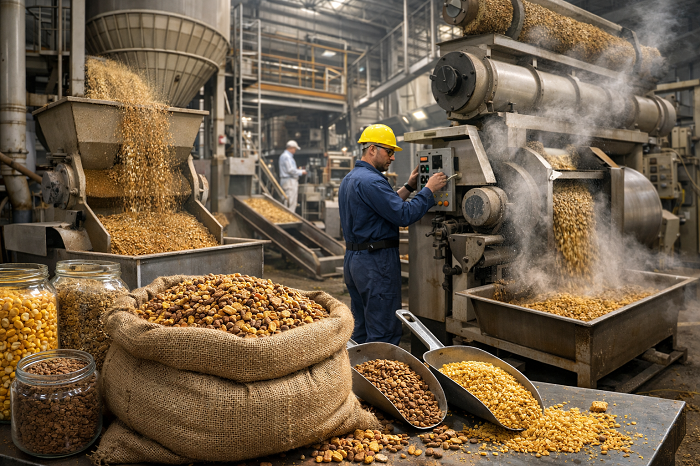
Feed quality is the foundation of successful livestock production. No matter how advanced your feed mill machinery is or how large your production capacity becomes, poor feed quality can quickly damage animal health, reduce productivity, and affect your brand reputation. In the competitive world of feed manufacturing, consistency and nutritional accuracy are not optional — they are essential.
Improving feed quality is not a one time task. It is a continuous process that involves raw material selection, formulation accuracy, processing control, storage management, and strict quality assurance systems. Whether you operate a small feed mill or a large commercial plant, applying the right strategies can significantly enhance product performance and customer satisfaction.
In this complete Feed Manufacturing Guide, you will discover the top 10 tips to improve feed quality in feed manufacturing and build a strong, reliable production system.
1. Select High Quality Raw Materials
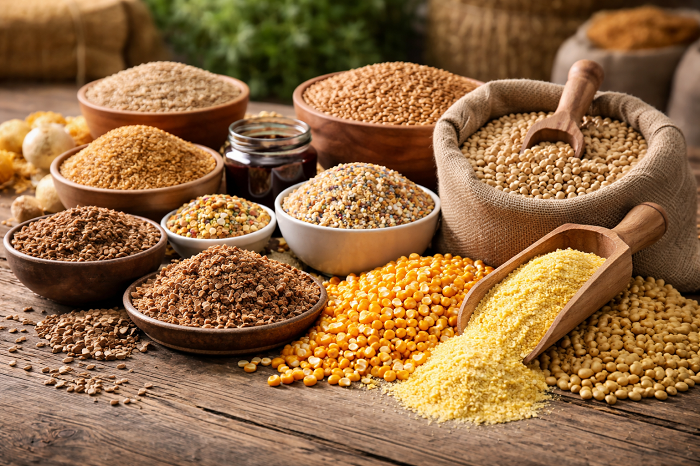
The quality of finished feed begins with the quality of raw ingredients. Even the most advanced processing technology cannot compensate for poor quality grains, protein meals, or additives.
Carefully inspect all incoming raw materials for moisture content, contamination, mold growth, and nutrient composition. Establish trusted supplier partnerships and implement strict procurement standards. Laboratory testing for protein levels, fiber content, and mycotoxins ensures that only premium ingredients enter your production line.
Consistent raw material quality leads to consistent feed performance, which directly impacts livestock growth rates and feed conversion ratios.
2. Implement Accurate Feed Formulation
Precision in feed formulation is critical. Using advanced formulation software helps ensure that animals receive balanced nutrition according to their species, age, and production stage.
Work closely with animal nutritionists to design formulas that meet energy, protein, vitamin, and mineral requirements. Avoid over formulation, which increases costs, and under formulation, which reduces performance.
Accurate formulation not only improves feed quality but also enhances profitability and customer trust.
3. Maintain Proper Grinding Particle Size
Grinding plays a major role in feed digestibility. Uniform particle size improves nutrient absorption and pellet quality. If particles are too large, animals may struggle to digest the feed. If too fine, feed may cause dust issues and respiratory problems.
Regularly monitor hammer mill screens and roller mill settings to maintain consistent grinding standards. Adjust particle size based on the type of animal feed being produced, such as poultry, cattle, or swine feed.
Optimized grinding improves feed efficiency and reduces waste.
4. Ensure Proper Mixing Uniformity
Uniform mixing ensures that every portion of feed contains the correct nutrient balance. Poor mixing can result in nutrient segregation, causing some animals to receive excess nutrients while others receive deficiencies.
Regularly test mixing uniformity using tracer methods. Maintain mixers properly and avoid overloading them. Proper mixing time and batch size control significantly improve feed consistency and quality.
Consistency builds brand reliability and strengthens your position in the market.
5. Control Moisture Levels
Moisture management is one of the most important aspects of feed quality. Excess moisture encourages mold growth and reduces shelf life. Low moisture can affect pellet durability.
Monitor moisture levels during raw material storage, conditioning, and final feed production. Use moisture meters to ensure safe storage conditions. Maintaining optimal moisture levels protects feed from spoilage and preserves nutritional value.
6. Optimize Pelleting and Conditioning Process
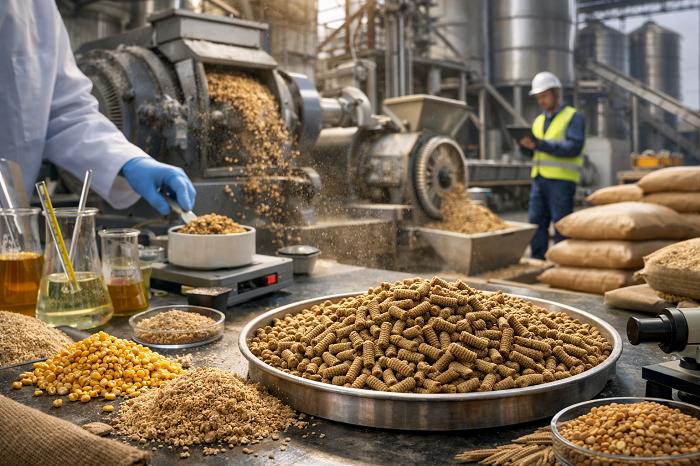
The pelleting process significantly influences feed quality. Proper steam conditioning improves starch gelatinization, enhances pellet durability, and increases feed digestibility.
Maintain correct temperature, pressure, and retention time in the conditioner. Inspect pellet mill dies regularly and replace worn parts promptly. Good pelleting practices improve physical quality, reduce fines, and enhance feed intake by livestock.
Efficient pelleting results in higher customer satisfaction and lower production losses.
7. Implement Strict Quality Control Systems
Quality control should be integrated at every stage of production. Develop standard operating procedures for sampling, testing, and monitoring.
Regular laboratory analysis of finished feed for protein content, energy levels, and microbiological safety ensures compliance with industry standards. Keep detailed production records for traceability and accountability.
A strong quality control system reduces risks, prevents costly recalls, and builds long term credibility in the feed industry.
8. Prevent Contamination and Cross Contamination
Cross contamination can occur when producing medicated and non medicated feeds on the same line. It can also result from poor sanitation practices.
Establish cleaning protocols for equipment, conveyors, and storage bins. Use sequencing strategies during production to minimize contamination risks. Train staff on hygiene standards and safe handling procedures.
Preventing contamination protects animal health and maintains regulatory compliance.
9. Store Feed Properly
Even high quality feed can deteriorate if stored incorrectly. Finished feed should be stored in dry, ventilated areas away from pests and direct sunlight.
Use first in first out inventory management to maintain freshness. Regularly inspect storage facilities for moisture leaks, insects, or rodents.
Proper storage preserves nutritional integrity and ensures that farmers receive feed in optimal condition.
10. Train and Educate Your Workforce
Human error can undermine feed quality even in highly automated plants. Regular staff training ensures that employees understand quality standards, equipment operation, and safety protocols.
Encourage continuous learning about new feed technologies, quality testing methods, and industry regulations. A skilled and knowledgeable team is one of the strongest assets in maintaining high feed manufacturing standards.
Investing in workforce development improves operational efficiency and long term business growth.
Why Feed Quality Matters More Than Ever
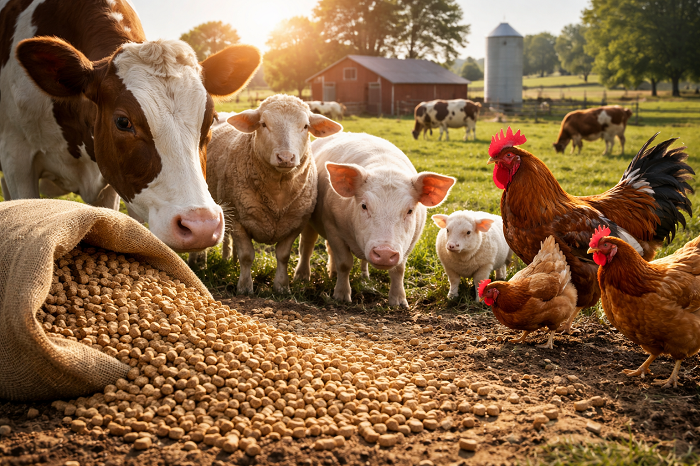
Modern livestock farming demands precision nutrition. Farmers expect measurable performance improvements, better feed conversion ratios, and consistent results. Poor feed quality not only affects animal growth but also damages your brand reputation.
By implementing these top 10 tips to improve feed quality in feed manufacturing, you create a system that delivers reliable, high performance feed products. For more detailed insights, explore our related guides on feed mill machinery, pellet production techniques, and animal nutrition strategies.
Quality is not just a technical requirement — it is a competitive advantage.
Conclusion
Improving feed quality in feed manufacturing requires a holistic approach that covers raw material selection, formulation accuracy, processing control, storage management, and workforce training. Each step in the production chain influences the final product.
When you focus on consistency, precision, and quality assurance, you build trust with livestock producers and strengthen your position in the feed industry. Start implementing these strategies today to produce superior feed, increase customer satisfaction, and drive sustainable growth in your feed manufacturing business.